

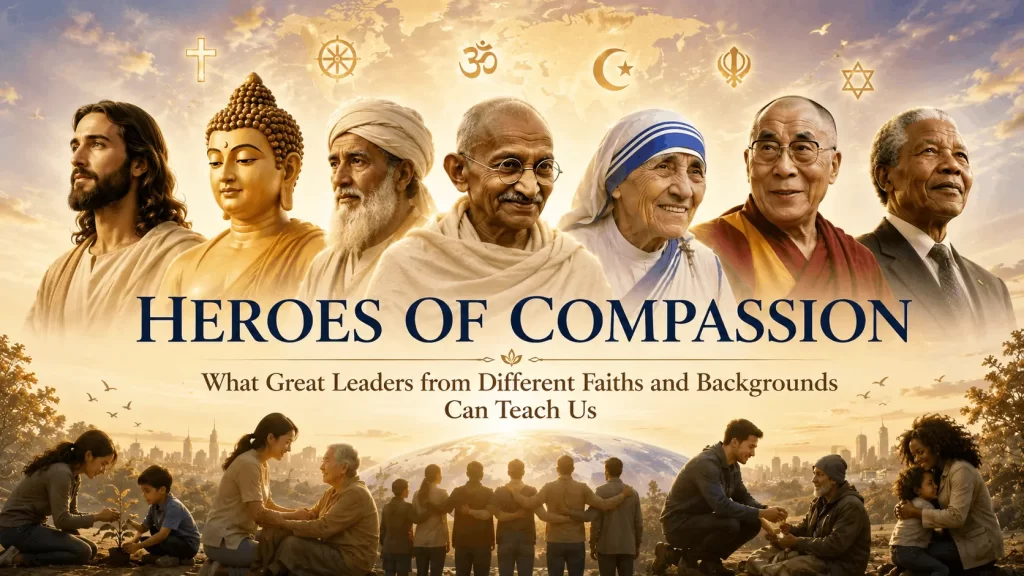
Compassion is one of humanity’s greatest strengths. It has the power to heal wounds, bridge differences, and inspire positive change. Throughout history, remarkable leaders from various faiths, cultures, and backgrounds have demonstrated that true greatness is not measured by wealth, power, or fame, but by the ability to care for others.
These individuals lived in different eras and faced unique challenges, yet they shared a common belief: every human life has value and deserves dignity, kindness, and respect. Their actions continue to inspire millions of people around the world.
This article explores what some of history’s most compassionate leaders can teach us and how their timeless lessons remain relevant in today’s world.
Why Compassion Matters
Compassion is more than simply feeling sympathy for someone else’s struggles. It involves recognizing another person’s suffering and taking meaningful action to help whenever possible.
Compassion strengthens relationships, builds stronger communities, reduces conflict, and encourages understanding between people from different backgrounds.
In an increasingly connected yet divided world, compassionate leadership has become more important than ever.
Compassion Beyond Religious Differences
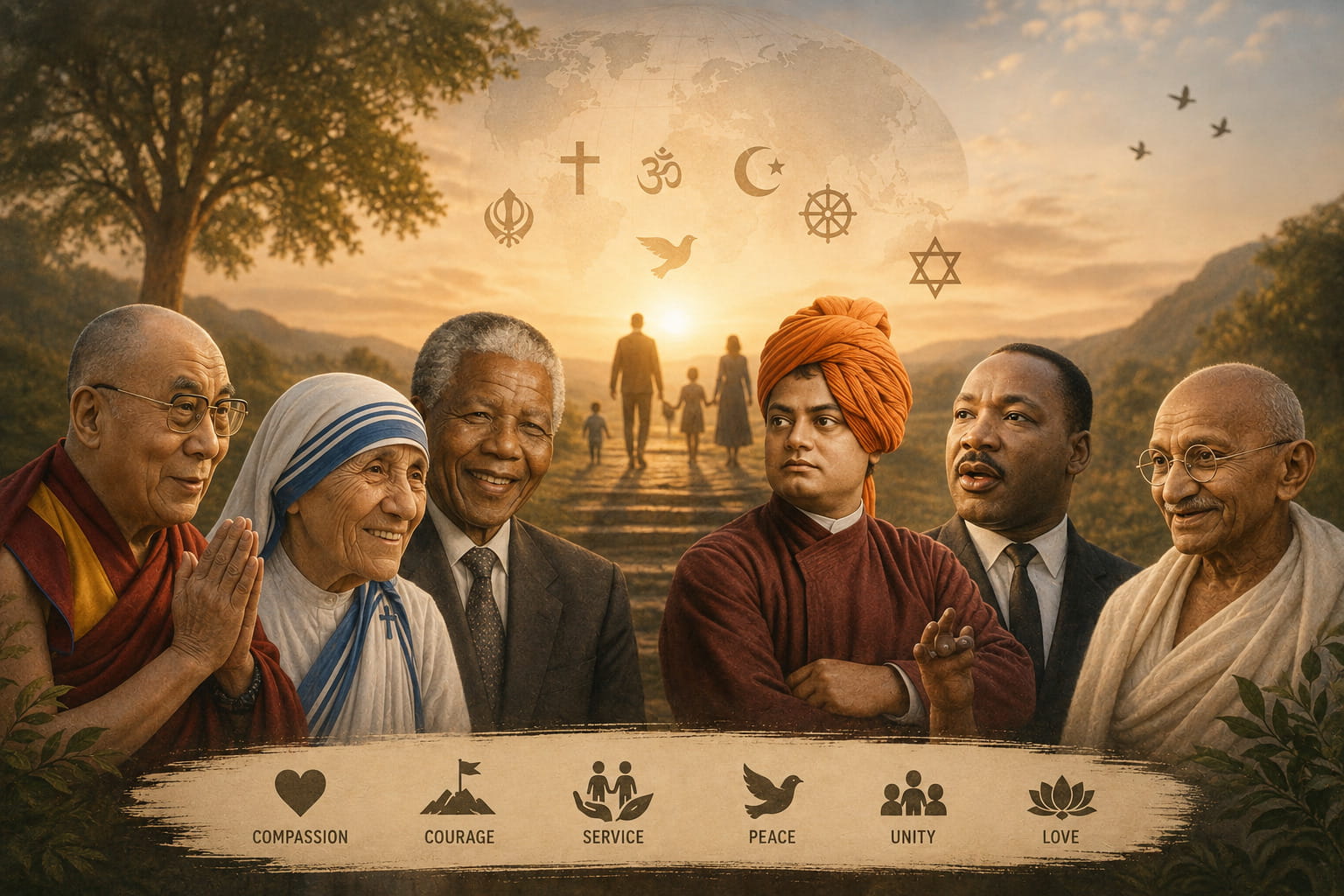
One remarkable truth is that nearly every major spiritual and philosophical tradition emphasizes compassion.
Although beliefs, customs, and rituals differ, many traditions encourage similar values:
- Kindness
- Forgiveness
- Generosity
- Humility
- Service
- Respect for others
These shared principles remind us that compassion is a universal human value rather than something limited to one religion or culture.
Lessons from Jesus Christ
The teachings of Jesus Christ center strongly on love, mercy, and forgiveness.
He encouraged people to love their neighbors, care for the poor, forgive those who wrong them, and show kindness even to strangers. Rather than focusing on status or power, Jesus emphasized humility and service.
One of his most enduring lessons is that genuine compassion often requires helping those whom society overlooks or rejects.
What We Can Learn
- Forgive generously.
- Serve others without expecting rewards.
- Show kindness to everyone, regardless of their background.
- Let love guide your actions.
Lessons from Gautama Buddha
Gautama Buddha taught that much of human suffering comes from attachment, ignorance, and harmful desires. His teachings encourage mindfulness, compassion, and understanding.
Rather than responding to anger with more anger, Buddha encouraged people to develop patience, wisdom, and empathy.
His philosophy reminds us that inner peace often begins with compassion toward both ourselves and others.
What We Can Learn
- Practice mindfulness before reacting.
- Replace judgment with understanding.
- Cultivate inner peace.
- Reduce suffering through kindness.
Lessons from Prophet Muhammad
The life of Prophet Muhammad emphasizes mercy, generosity, justice, and care for the vulnerable.
Historical accounts describe his compassion toward children, the poor, neighbors, travelers, and even animals. He encouraged fairness, honesty, forgiveness, and helping those in need.
His example demonstrates that true leadership combines strength with mercy.
What We Can Learn
- Treat every person with dignity.
- Care for the less fortunate.
- Balance justice with compassion.
- Lead through humility and integrity.
Lessons from Mahatma Gandhi
Mahatma Gandhi transformed political leadership through nonviolence and moral courage.
Rather than responding to oppression with hatred, he promoted peaceful resistance based on truth, compassion, and respect for human dignity.
His belief that lasting change begins with individual character continues to inspire movements around the world.
What We Can Learn
- Choose peaceful solutions whenever possible.
- Stand firmly for justice without hatred.
- Lead by personal example.
- Believe that small actions create lasting change.
Lessons from Mother Teresa
Mother Teresa dedicated her life to serving people living in extreme poverty and illness.
She believed that every person deserved love regardless of their circumstances. Her work demonstrated that compassion often begins with simple acts of service performed consistently.
She famously reminded people that not everyone can do great things, but everyone can do small things with great love.
What We Can Learn
- Never underestimate small acts of kindness.
- See the humanity in every individual.
- Serve without seeking recognition.
- Make compassion part of daily life.
Lessons from the Dalai Lama
The Dalai Lama frequently speaks about compassion as the foundation of both personal happiness and global peace.
He teaches that compassion is not weakness but strength. According to his philosophy, understanding others’ suffering helps reduce conflict and build lasting relationships.
His message encourages people to develop kindness regardless of religious beliefs.
What We Can Learn
- Compassion benefits both the giver and receiver.
- Practice empathy daily.
- Focus on shared humanity.
- Build peace through understanding.
Lessons from Nelson Mandela
Nelson Mandela spent 27 years in prison before helping lead South Africa toward reconciliation instead of revenge.
Despite experiencing great injustice, he promoted forgiveness and unity rather than hatred.
His leadership demonstrated extraordinary emotional strength and showed that compassion can heal even deeply divided societies.
What We Can Learn
- Forgiveness creates opportunities for healing.
- Do not allow bitterness to define your future.
- Seek reconciliation whenever possible.
- Courage includes showing compassion.
The Common Thread
Although these leaders belonged to different faiths, cultures, and historical periods, their teachings reveal striking similarities.
They encouraged people to:
- Love rather than hate.
- Forgive rather than seek revenge.
- Serve rather than dominate.
- Understand rather than judge.
- Unite rather than divide.
These shared values suggest that compassion may be one of humanity’s most universal moral principles.
Bringing Compassion into Everyday Life
Most people will never lead nations or become world-famous humanitarians. However, everyone has opportunities to practice compassion in ordinary life.
Simple actions include:
- Listening without interrupting.
- Helping a struggling neighbor.
- Supporting someone experiencing loss.
- Volunteering in your community.
- Speaking respectfully during disagreements.
- Donating time or resources to those in need.
- Offering encouragement to someone facing challenges.
These seemingly small choices create positive ripple effects that extend far beyond the original act.
Compassion in a Divided World
Today’s world faces many challenges, including political divisions, social conflicts, economic inequality, and cultural misunderstandings.
Compassion does not eliminate disagreements, but it changes how people respond to them.
Instead of viewing others as enemies, compassion encourages us to recognize our shared humanity.
This perspective creates opportunities for dialogue, cooperation, and peaceful solutions.
Many of history’s greatest leaders understood that lasting change rarely comes through fear or force alone. It grows through empathy, respect, and genuine concern for others.
Conclusion
The heroes of compassion featured throughout history came from different religions, cultures, and backgrounds, yet their lives point toward remarkably similar truths. They showed that kindness is stronger than cruelty, forgiveness is more powerful than revenge, and service to others is one of the highest expressions of leadership.
Their teachings remind us that compassion is not reserved for extraordinary individuals. It is a choice available to every person, every day.
Whether we are helping a friend, supporting a stranger, resolving a conflict, or simply treating others with respect, we continue the legacy of these remarkable leaders.
In the end, compassion is not just an admirable quality it is a force capable of changing lives, strengthening communities, and making the world a more peaceful place, one thoughtful act at a time.