

Kindness is often underestimated. In a world that celebrates major achievements, wealth, influence, and success, small acts of compassion can seem insignificant. Holding a door open, offering a sincere compliment, helping a stranger, or simply listening to someone who needs to be heard may not make headlines, but these moments have the power to transform lives in ways we may never fully understand.
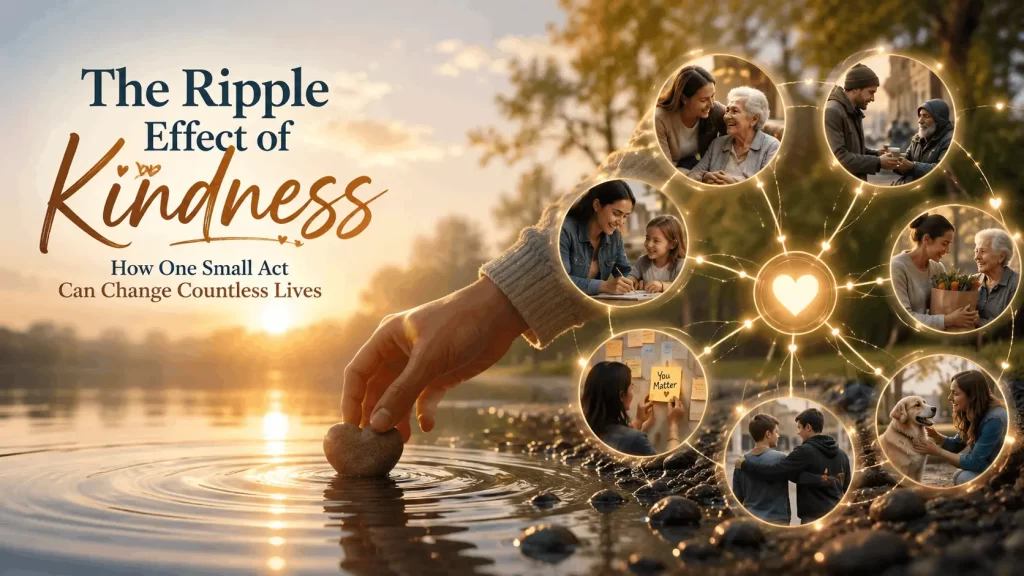
The idea of the ripple effect reminds us that every action creates consequences beyond what we can immediately see. Just as a single pebble dropped into a calm pond creates waves that spread far beyond the point of impact, one act of kindness can inspire another, creating a chain reaction that reaches countless people.
So, how can one small act truly make a difference? The answer lies in the profound way kindness influences individuals, relationships, communities, and even society as a whole.
Understanding the Ripple Effect
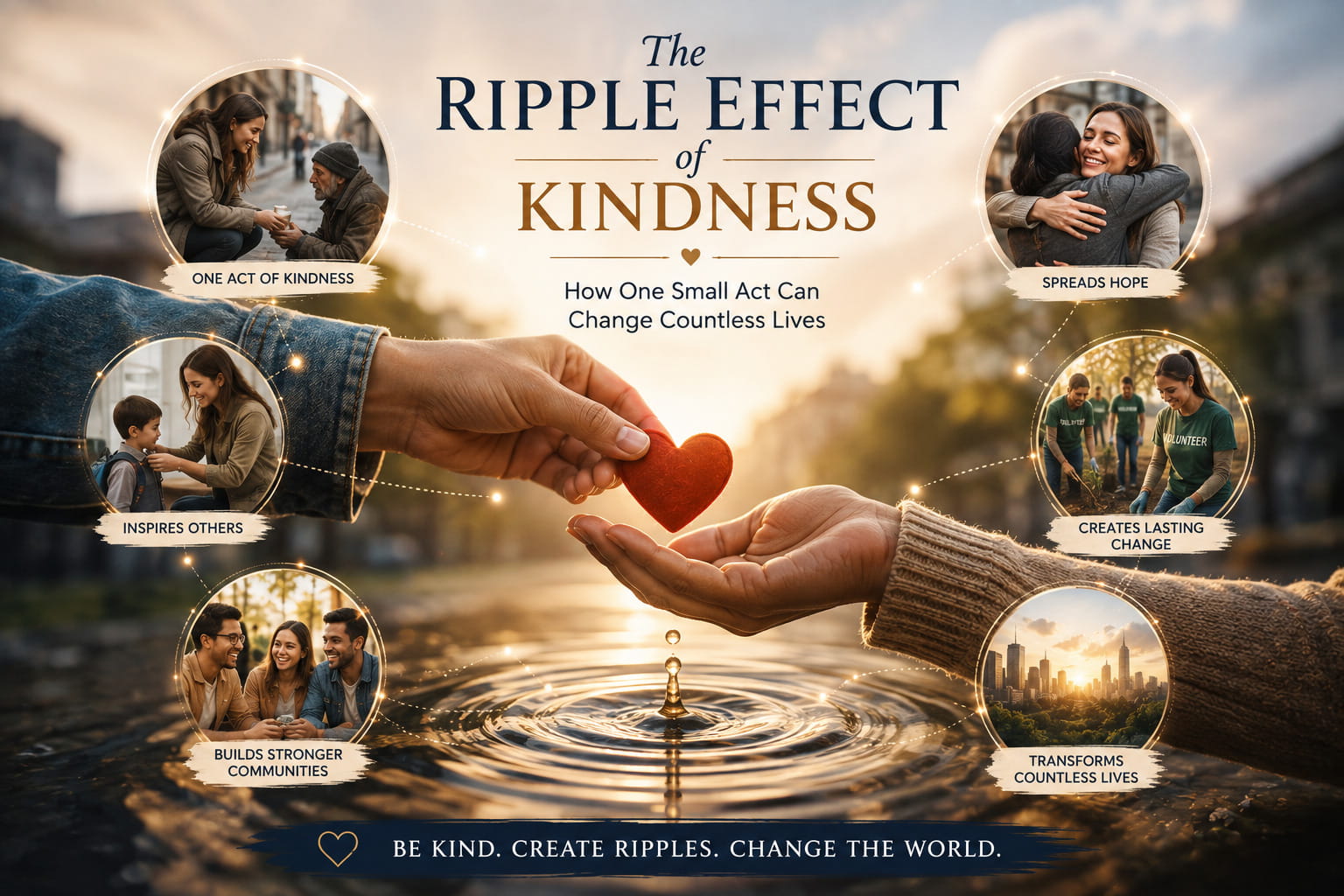
The ripple effect refers to the idea that one action can trigger a series of other actions, often extending much farther than the original event. Kindness works in much the same way.
Imagine helping a stressed coworker by offering encouragement during a difficult day. Feeling supported, that coworker may return home in a better mood and show greater patience with their family. Their children may carry that positive energy into school the next day, treating classmates with more kindness. Those classmates may then pass that kindness on to others.
What began as one encouraging conversation has quietly influenced many lives.
Most of these connections happen without our awareness, which is why kindness often has a greater impact than we realize.
Small Acts Matter More Than Grand Gestures
Many people believe making a difference requires extraordinary resources or heroic actions. While large charitable efforts certainly have value, meaningful change often begins with simple everyday choices.
Examples of small acts of kindness include:
- Smiling at someone who seems lonely
- Thanking a service worker sincerely
- Helping an elderly neighbor carry groceries
- Donating gently used clothing
- Checking in on a friend who has been quiet
- Offering encouragement to someone facing challenges
- Letting another driver merge into traffic
- Volunteering a few hours in your community
None of these actions require great wealth or special abilities. Yet each has the potential to brighten someone’s day and restore hope when it is needed most.
Kindness Creates Emotional Healing
Everyone carries invisible burdens.
Some people struggle with stress, grief, loneliness, anxiety, financial hardship, or personal challenges that others may never see. A simple act of compassion can remind someone that they are not alone.
Sometimes, people remember a stranger’s kindness years later because it came during one of the most difficult moments of their lives.
A kind word may not solve every problem, but it can provide emotional strength to continue moving forward.
When people feel seen, respected, and valued, they often become more resilient in facing life’s difficulties.
Kindness Is Contagious
Researchers studying human behavior have found that kindness tends to spread. When people experience generosity or compassion, they become more likely to help others.
This creates a cycle of positive behavior.
For example:
- Someone buys coffee for the person behind them.
- That person later helps a coworker complete a project.
- The coworker volunteers at a local charity over the weekend.
- The people receiving assistance feel inspired to help someone else.
The original act continues influencing lives long after it occurred.
This contagious nature of kindness demonstrates that even the smallest actions can contribute to creating more compassionate communities.
Building Stronger Relationships
Healthy relationships depend on consistent acts of care rather than occasional grand gestures.
Simple habits such as expressing gratitude, listening attentively, offering forgiveness, and showing appreciation strengthen trust over time.
In families, kindness creates emotional security.
In friendships, it builds loyalty.
In workplaces, it improves teamwork and collaboration.
Communities where kindness becomes part of daily culture often experience stronger cooperation, greater empathy, and increased social connection.
These relationships form the foundation of happier and healthier societies.
Kindness Benefits the Person Giving It
Interestingly, kindness does not only help the recipient.
People who regularly practice kindness often experience personal benefits as well.
Acts of generosity can:
- Improve mood
- Reduce stress
- Increase feelings of purpose
- Strengthen emotional well-being
- Build greater empathy
- Enhance overall life satisfaction
Helping others reminds us that our actions matter and that we have the ability to make a positive difference in the world.
Many people discover that giving often brings as much joy as receiving.
Kindness in Difficult Times
Being kind is easy when life is going well. The true power of kindness, however, becomes most evident during challenging times.
Natural disasters, economic hardship, illness, or personal loss often reveal extraordinary examples of human compassion.
Neighbors support one another.
Strangers donate supplies.
Volunteers offer their time.
Communities unite around shared challenges.
These moments remind us that kindness becomes especially valuable when hope seems limited.
Even during personal disagreements, responding with patience instead of anger can interrupt cycles of conflict and create opportunities for understanding.
Teaching Kindness to Future Generations
Children learn more from what they observe than from what they are told.
When parents, teachers, and community leaders consistently demonstrate kindness, young people begin to view compassion as a normal part of everyday life.
Simple lessons such as:
- Sharing with others
- Respecting differences
- Helping classmates
- Speaking respectfully
- Showing gratitude
can shape character for a lifetime.
Children who grow up experiencing kindness often become adults who naturally extend kindness to others.
In this way, today’s small actions influence tomorrow’s society.
Overcoming Barriers to Kindness
Despite its simplicity, kindness is not always easy.
Busy schedules, stress, fear, prejudice, and personal struggles can make people less aware of the needs of others.
Sometimes we assume someone else will help.
Other times we worry our actions may not matter.
However, kindness does not require perfection.
It simply requires paying attention.
Choosing patience instead of irritation.
Offering encouragement instead of criticism.
Listening instead of judging.
These small decisions gradually transform not only individual interactions but also the culture around us.
Creating a Habit of Kindness
Kindness becomes most powerful when practiced consistently rather than occasionally.
Some simple ways to make kindness a daily habit include:
- Begin each day by asking how you can help someone.
- Express genuine gratitude regularly.
- Compliment others sincerely.
- Offer your time to someone who needs support.
- Be patient with people facing challenges.
- Practice forgiveness when appropriate.
- Look for opportunities to encourage rather than criticize.
Over time, these habits become part of your character, influencing everyone you encounter.
Conclusion
The ripple effect of kindness reminds us that no compassionate act is ever truly small. A smile, a kind word, a helping hand, or a moment of understanding can travel far beyond the original interaction, touching lives in ways we may never witness.
In a world often focused on competition, achievement, and personal success, kindness offers something equally powerful the ability to create lasting positive change through ordinary moments.
We may never know how many people are affected by a single act of compassion. The stranger we encourage today may inspire someone else tomorrow, continuing a chain of goodness that reaches countless lives.
Every day presents new opportunities to begin that ripple. We don’t need extraordinary resources or perfect circumstances to make a difference. Sometimes, all it takes is one small act of kindness to start a wave of hope, compassion, and humanity that extends far beyond what we can imagine.